A security system works best when its individual components are selected to serve clear purposes and function together effectively. Some safe rooms may require a basic alarm and controlled entry, while others may benefit from a more comprehensive arrangement that includes sensors, cameras, and monitoring equipment. We begin by considering the property’s security priorities, the safe room’s location, the number of authorised occupants, and the features already installed. This assessment helps identify suitable equipment and determine where components should be positioned for practical access and effective operation. Planning the system around the actual room helps avoid unnecessary devices, incompatible equipment, and installations that are difficult to manage.
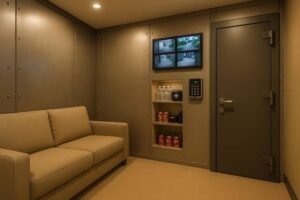
Coordination between security components is particularly important when several devices are installed in the same space. For example, access control may need to work alongside an alarm system, while cameras and sensors may require suitable power supplies and communication connections. Equipment placement should account for the room’s entrances, internal layout, lighting conditions, and any areas that need monitoring. We also consider whether the system should operate independently or connect with compatible security equipment elsewhere in the property. Where the safe room requires a stronger entrance, Safe Room Lock Installation can be coordinated with the security setup to help ensure that physical access controls and electronic features complement each other. This integrated approach supports a more organised system without relying on a single device to provide complete protection.
Alarm systems can provide an additional layer of awareness by alerting authorised users when specific events occur. Depending on the requirements, a suitable installation may include door contacts, motion sensors, alarm panels, audible alerts, or compatible notification devices. The choice of equipment depends on the property’s layout, the type of entrance, and the events the system is intended to detect. Sensor placement should be carefully considered to reduce unnecessary alerts while ensuring that important entry points are monitored appropriately. We also assess how the alarm will be armed, disarmed, and reset so that authorised occupants can operate it without confusion during everyday use or when entering the safe room.
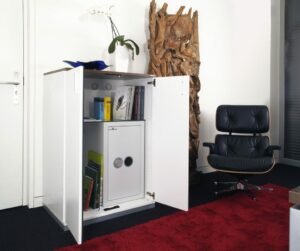
A reliable alarm installation requires more than attaching sensors and connecting them to a control panel. Devices must be compatible with the chosen system, installed according to manufacturer requirements, and tested to confirm that they respond as intended. Where appropriate, the system may support notifications to designated devices or integration with an external monitoring service, subject to equipment capabilities and service arrangements. Power supply, communication reliability, and backup arrangements should also be considered where continuous operation is important. If the safe room is part of a wider property security plan, Reinforced Safe Room Doors can form part of the physical protection strategy, while alarms provide additional awareness of activity around the entrance. These features serve different purposes and should be planned to work together rather than treated as substitutes for one another.
Surveillance equipment can help authorised users observe selected areas around a safe room or property. Depending on the layout and privacy requirements, a system may include cameras positioned near entrances, approach routes, or other appropriate locations. Image quality, lighting conditions, viewing angles, storage capacity, and remote access requirements should be considered before equipment is selected. Cameras must be positioned to provide useful coverage without creating unnecessary blind spots or recording areas where monitoring would be inappropriate. We also consider how users will access live views and stored footage, including whether the system should operate through a local display, a compatible mobile application, or another supported interface.
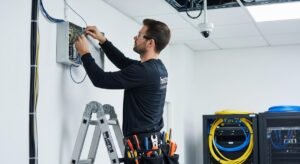
Access control can provide a structured way to manage who is permitted to enter the safe room. Available options may include keypad systems, electronic locks, authorised access credentials, or compatible control panels, depending on the door and the intended application. The system should be straightforward for authorised occupants to use, with access procedures established before the installation is completed. Remote monitoring and electronic access features also require careful consideration of connectivity, account security, software updates, and backup access arrangements. Where a safe room needs to remain usable during a power or network interruption, the design should account for those circumstances and follow the equipment manufacturer’s guidance. By selecting compatible devices and planning their operation together, we help create a more manageable security arrangement suited to the property’s requirements.
Once the security equipment has been installed, the complete system should be tested to verify that its main functions operate correctly. Depending on the equipment, this may involve checking alarm triggers, sensor responses, camera views, access permissions, notifications, and communication between connected devices. Users should also understand how to operate the system, recognise alerts, and follow the agreed procedures for routine use. Where monitoring services or third-party applications are involved, their activation and configuration may require separate account setup or service arrangements. Documenting the installed equipment and basic operating procedures can help authorised users manage the system and provide useful information for future maintenance.
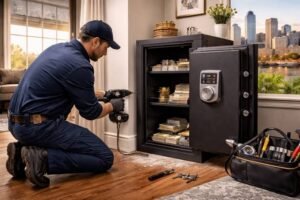
Security requirements can change as a property is renovated, new equipment is introduced, or the intended use of a safe room evolves. Regular maintenance helps identify issues such as faulty sensors, outdated software, damaged cables, weak backup batteries, or unreliable communication links. Cameras should be checked for clear views, and access permissions should be reviewed when authorised users change. Any maintenance or replacement work should follow the relevant manufacturer’s instructions and applicable safety requirements. If additional features are needed later, Safe Room Upgrades can help coordinate improvements with the existing security arrangement and avoid unnecessary duplication of equipment. With suitable planning, correct installation, and periodic testing, a security system can remain a useful part of the safe room’s overall protection strategy.https://fortifiedestate.com/retrofit-home-safe-room/