
Choosing the right lock is an important step in creating a secure safe room. Different properties have different security requirements, so the locking mechanism should suit the room’s purpose, the type of door, and the expected access arrangements. Our Safe Room Lock Installation service begins with an assessment of these factors to help determine which hardware is appropriate. We consider the door construction, frame strength, frequency of use, and the level of access control needed. This approach helps prevent problems caused by selecting locks that are incompatible with the door or unsuitable for the intended application. By matching the locking system to the safe room’s design, we aim to provide dependable operation and practical protection without making access unnecessarily difficult for authorised occupants.
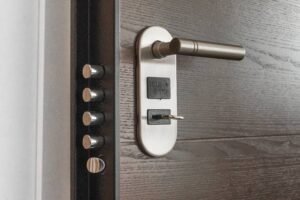
We also consider how the lock will perform during regular use. A suitable mechanism should engage correctly, release smoothly, and remain dependable when operated repeatedly. Poorly fitted hardware can cause alignment issues, sticking, premature wear, or difficulty securing the door properly. Our installation process focuses on accurate positioning, secure fixing, and careful testing to help reduce these risks. Where the door requires additional hardware, we can consider how the locking mechanism works alongside Reinforced Safe Room Doors to support a more complete security arrangement. The goal is to create a reliable entry point where the lock, door, and frame work together rather than relying on a single component to provide all the protection.
Correct installation is essential for a lock to operate as intended. Even a high-quality locking mechanism can perform poorly if it is fitted incorrectly or does not align with the door frame. Before installation, we assess the door’s condition, examine the available fixing points, and identify any adjustments required for a proper fit. We then position the lock carefully to support smooth engagement and consistent operation. Attention to these details can help prevent unnecessary pressure on the locking components and reduce the likelihood of everyday operating problems. Our approach prioritises a secure fit while taking account of the safe room’s existing construction and the manufacturer’s requirements for the selected hardware.
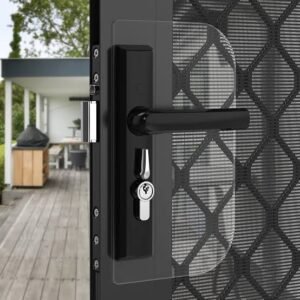
After fitting the lock, we check its operation through repeated locking and unlocking cycles. We look for signs of resistance, movement, misalignment, or interference with other door components. Where adjustments are needed, these are addressed before the installation is considered complete. We also assess whether the surrounding door and frame provide an appropriate foundation for the chosen lock, since secure hardware cannot compensate for a weak or damaged mounting area. If the wider entrance needs attention, integrating the lock installation with Safe Room Wall Reinforcement may help address weaknesses around the door opening. Careful fitting and final checks help provide a locking system that is practical, consistent, and suited to the room’s intended use.
Safe rooms may be used in family homes, commercial premises, offices, or properties where certain areas need restricted access. For these situations, the locking system should reflect who needs access and how the room will be used. Depending on the door and security requirements, suitable options may include conventional keyed locks, reinforced deadbolts, keypad-operated mechanisms, or compatible electronic locking hardware. Each option has different considerations involving ease of use, installation requirements, maintenance, and access management. We help identify a practical solution based on the specific application instead of assuming that one locking type is suitable for every safe room. The selected system should provide appropriate access control while remaining understandable and manageable for authorised users.
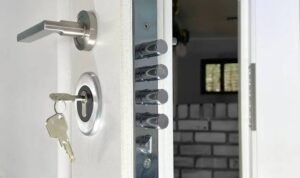
For projects requiring more than a mechanical lock, access control can be considered alongside other security measures. Electronic systems may offer features such as individual access codes, controlled entry, or integration with compatible monitoring equipment. However, their suitability depends on the door design, power requirements, system compatibility, and the need for reliable access during an electrical interruption. These factors should be considered before installation so the chosen arrangement does not introduce avoidable complications. Where broader protection is required, the locking system can be planned alongside Safe Room Security System Installation to help coordinate entry control with other security features. A carefully selected setup can improve the management of access while keeping the safe room straightforward to operate.
A safe room lock should be checked periodically to confirm that it continues to operate correctly. Repeated use, dust, wear, door movement, and changes in alignment can gradually affect performance. Warning signs may include a key that becomes difficult to turn, a bolt that does not engage fully, unusual resistance, loose fittings, or a door that requires extra force to close. Addressing these issues early can help prevent a minor operating problem from becoming a more serious security concern. During a maintenance assessment, the lock’s movement, fixing points, alignment, and interaction with the door frame can be examined. Any recommended adjustments should follow the hardware manufacturer’s instructions and account for the overall condition of the entrance.
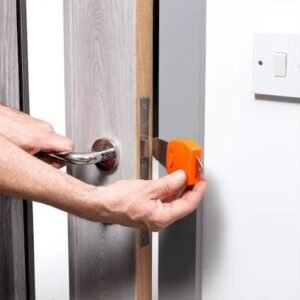
If an existing safe room has an outdated, damaged, or unsuitable lock, replacing the mechanism may improve reliability and make access easier to manage. The replacement should be compatible with the door’s construction and should not weaken the surrounding material during fitting. We can assess the existing arrangement and identify practical improvements based on its condition and intended level of security. After any work, the locking mechanism should be tested to confirm that it engages and releases correctly, with clear operating instructions provided where needed. For safe rooms that have undergone structural or security changes, reviewing the lock as part of Safe Room Upgrades can help ensure that the access hardware remains suitable for the updated design. Regular checks and timely improvements help maintain a dependable locking system over the long term.https://fortifiedestate.com/retrofit-home-safe-room/