A regular inspection provides an opportunity to review the condition of the safe room and identify changes that may affect its usability. Walls, ceilings, floors, doors, frames, hinges, and visible fittings should be examined for signs of damage, deterioration, moisture, or movement. The inspection should also consider whether the entrance opens and closes properly, whether the locking mechanism operates smoothly, and whether stored items are blocking access or reducing the usable space. These checks can reveal relatively minor concerns, such as loose hardware or damaged seals, before they develop into more complicated maintenance requirements. The scope of the inspection depends on the room’s age, construction, frequency of use, and the equipment installed within it.

It is also important to review any changes made to the surrounding property since the safe room was originally installed. Renovations, new electrical wiring, plumbing modifications, or additional openings may affect existing components and should be assessed where relevant. Visible cracks, water staining, unusual door movement, or signs of corrosion may indicate that further investigation is necessary. A routine visual inspection cannot establish every aspect of structural performance, so concerns involving load-bearing elements or specialist protective construction should be referred to an appropriately qualified professional. Where the entrance requires closer attention, Reinforced Safe Room Doors can be reviewed as part of the wider maintenance process to determine whether the existing door assembly remains in suitable condition. Keeping inspection notes can also help property owners compare the room’s condition over time and plan maintenance more effectively.
The safe room entrance is one of the most frequently used components and should be checked for reliable operation. During maintenance, the door should be examined for alignment, smooth movement, loose hinges, damaged fittings, and signs of unnecessary friction. The locking mechanism should engage and release correctly without requiring excessive force. If a key becomes difficult to turn, a bolt fails to align, or the door needs to be pushed or pulled unusually hard to secure it, the issue should be investigated rather than ignored. These symptoms may result from ordinary wear, movement in the door frame, loose hardware, or a problem with the locking mechanism. Identifying the underlying cause helps determine whether adjustment, repair, or replacement is appropriate.
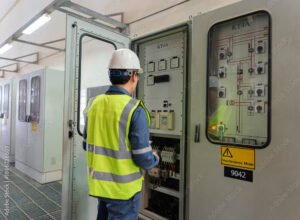
Electronic access controls and other locking devices may require additional checks according to the manufacturer’s instructions. Keypads, access readers, batteries, control panels, and connected components should be reviewed where applicable to confirm that they respond as intended. Access permissions may also need updating when authorised users change, particularly in commercial environments. Any emergency release or internal access feature should be checked in accordance with the system’s design and relevant safety requirements, ensuring that occupants can use the room as intended. If the existing mechanism shows signs of wear or becomes unreliable, Safe Room Lock Installation may be appropriate when repair is no longer a suitable option. Regular attention to the entrance helps maintain dependable operation and reduces the likelihood of unexpected problems during use.
Ventilation, lighting, and security equipment all contribute to the safe room’s functionality and should be included in an appropriate maintenance schedule. Ventilation grilles should be checked for visible obstructions, while accessible filters and other serviceable components should be maintained according to the manufacturer’s guidance. Fans may need inspection for unusual noise, vibration, or reduced airflow. If the room becomes noticeably warmer, more humid, or less comfortable than usual, the ventilation arrangement may require further assessment. Where airflow performance is important, a qualified professional can determine whether additional testing or servicing is necessary. Maintenance should also account for the fact that changes to room furnishings or stored supplies can obstruct vents and interfere with air circulation.

Lighting and security systems require similar attention. Fixtures should operate correctly, switches should remain accessible, and any emergency lighting or backup batteries should be tested according to the equipment instructions. Alarm sensors, cameras, access controls, and notification devices should be checked where installed, with particular attention to faults, damaged cables, power interruptions, or unreliable connections. Software updates and changes to user permissions should be managed carefully for connected security equipment. Where a fault is identified, the affected system should be assessed by an appropriately qualified technician before being relied upon. Keeping a record of maintenance dates, repairs, test results, and equipment replacements can help establish a clear service history and make future inspections more efficient.
Preventive maintenance focuses on addressing developing problems before they cause greater disruption. Depending on the inspection findings, recommended work may include tightening suitable fittings, replacing worn hardware, servicing ventilation equipment, repairing damaged surfaces, or arranging an electrical or structural assessment. Maintenance should be based on the actual condition of the room and the requirements of its installed components, rather than applying the same checklist to every property. Manufacturer instructions should guide servicing and replacement intervals, while specialist systems may require inspection by approved or suitably qualified professionals. Prompt attention to leaks, damaged wiring, unusual noises, and changes in door operation can help prevent avoidable deterioration and support the room’s continued usability.
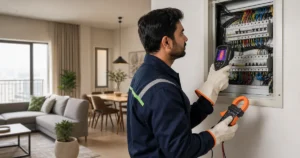
A safe room may also need a more comprehensive review after renovations, equipment replacements, or changes in its intended use. Adding new security devices, changing the entrance, or altering the internal layout can affect how existing components work together. Any proposed changes should therefore be assessed in relation to the original design and relevant safety requirements. Where several components need improvement, Safe Room Upgrades can help organise the work into a coordinated plan rather than addressing each issue without considering the wider installation. Property owners should also keep essential operating instructions and relevant service records accessible to authorised users. With routine inspections, appropriate professional servicing, and timely repairs, Safe Room Maintenance and Inspection can help identify concerns early and keep the space in suitable condition for its intended purpose.https://fortifiedestate.com/retrofit-home-safe-room/