Over time, the features installed in a safe room may become outdated, worn, or less convenient to operate. Older locks, damaged door hardware, insufficient lighting, and poorly arranged storage can affect how effectively the room serves its intended purpose. Our upgrade process begins with reviewing the existing installation and identifying components that may benefit from repair, replacement, or improvement. We consider how frequently the room is used, which features remain suitable, and whether any changes have been made to the surrounding property. This assessment helps establish realistic priorities and avoids replacing components that are still appropriate for the room’s needs. The result is a more focused upgrade plan that addresses practical concerns rather than introducing unnecessary complexity.
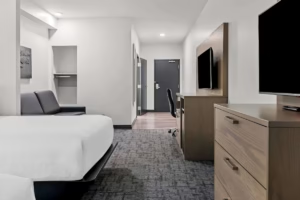
Modernisation can also improve the way different safe room features work together. For example, replacing a locking mechanism may require adjustments to the door or frame, while installing new lighting could involve reviewing existing electrical connections. We consider these relationships before work begins so that individual improvements do not create avoidable problems elsewhere. Where the entrance requires attention, Safe Room Lock Installation can help improve the reliability and usability of the locking system. Similarly, reviewing the room’s internal layout may reveal opportunities to make essential equipment easier to reach and keep walking areas clear. By concentrating on the features that matter most, we aim to help extend the usefulness of an existing safe room while maintaining a consistent approach to its overall design.
The condition of the room’s walls, door, frame, and other structural components should be considered before introducing new security features. Existing construction may have been suitable for the original design but may require further assessment if the room is being used differently or if new security objectives have been established. We review visible damage, the condition of the entrance, and the compatibility of existing components with the proposed improvements. Where structural concerns are identified, an appropriately qualified building professional may need to assess the construction and recommend suitable corrective work. This helps ensure that upgrades are based on the building’s actual condition instead of relying on assumptions about the performance of existing materials.
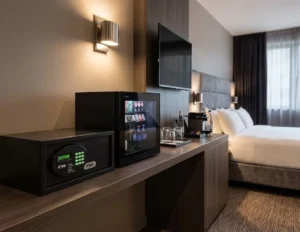
Entrance improvements can be particularly important because the door, frame, hinges, and locking hardware function as a connected assembly. If one component is worn or poorly aligned, the entrance may become difficult to operate or may not perform as intended. Depending on the assessment, an upgrade could involve repairing suitable hardware, replacing damaged components, or planning a more comprehensive entrance improvement. Reinforced Safe Room Doors may be considered when the existing door no longer meets the project’s requirements and a replacement is appropriate. Any proposed structural changes should account for the surrounding walls and the building’s construction. Coordinating these elements helps produce a more consistent installation and reduces the likelihood of completing improvements that do not work effectively together.
Security is only one part of a functional safe room. Ventilation, lighting, temperature management, and the arrangement of essential supplies can all influence how comfortable and practical the space is to use. An older room may have limited airflow, inadequate lighting, or insufficient space for the equipment and supplies now required. During an upgrade assessment, we consider the room’s dimensions, expected occupancy, existing services, and intended duration of use. Improvements may include updating suitable lighting fixtures, reorganising storage, reviewing ventilation equipment, or making the controls easier to access. These changes should be planned carefully so they improve usability without interfering with the room’s protective features.

Ventilation and electrical improvements require particular attention because they may involve changes to the building’s services or openings through existing construction. Any new equipment should be compatible with the room and installed in accordance with applicable requirements and manufacturer guidance. Where the safe room includes communication equipment, emergency supplies, or other essential devices, the layout should provide sufficient access without overcrowding the space. Safe Room Ventilation Installation can be considered when the existing airflow arrangement requires improvement or a new ventilation solution is needed. Appropriate planning also helps ensure that vents, switches, and equipment do not obstruct the entrance or interfere with other security components. By addressing comfort and functionality alongside protection, upgrades can make the room more practical for its intended use.
Security technology continues to develop, and some existing safe rooms may benefit from updated alarms, monitoring equipment, access controls, or compatible communication systems. Before adding new devices, we review the equipment already installed and determine whether it can work with the proposed additions. This helps avoid unnecessary duplication and reduces the risk of compatibility issues between different systems. The assessment should also consider power requirements, network connectivity, device placement, and how authorised occupants will operate the upgraded features. Depending on the room’s purpose, a simple improvement may be sufficient, while a more extensive project may require a coordinated review of several security components.
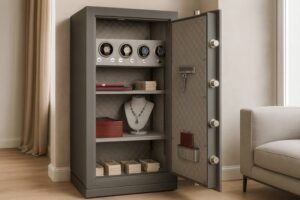
Future flexibility is another important consideration when planning improvements. A safe room may eventually need different storage arrangements, additional communication equipment, revised access permissions, or changes to its internal layout. Where practical, upgrades can be planned to make future servicing and equipment replacement easier. Users should also receive clear information about any new controls, maintenance requirements, and recommended testing procedures. If the work includes alarms, sensors, cameras, or access control devices, Safe Room Security System Installation may be relevant when coordinating the new equipment with the existing setup. The final upgrade plan should reflect the property’s current needs while allowing for reasonable future changes. With careful assessment, suitable component selection, and professional installation, safe room upgrades can improve usability and help maintain a coordinated security arrangement over time.https://fortifiedestate.com/retrofit-home-safe-room/